









































































UN: Education and Youth Unemployment Issues Must be Addressed Now
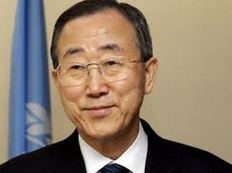
Ban Ki-moon, UN Secretary-General
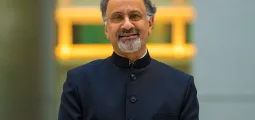
The process of establishing a post-2015 development agenda must include youth input and participation to reflect the issues that concern them, UN Secretary-General Ban Ki-moon’s Envoy on Youth stressed in late March.
“We are at a crossroads. With 1,000 days left to meet the Millennium Development Goals (MDGs), we are discussing and trying to set the new priorities for the post-2015 development agenda,” said Ahmad Alhendawi, referring to the eight anti-poverty targets with specific objectives on poverty alleviation, education, gender equality, child and maternal health, environmental stability, HIV/AIDS reduction, and a ‘Global Partnership for Development.’
“This is definitely an opportunity where young people can participate in setting the agenda, and then own this agenda by being equal partners in its implementation and evaluation,” he told reporters in New York via satellite from Dakar, Senegal, where he is attending the World Education Forum.
Mr. Alhendawi stressed that with 1.2 billion young people globally – the largest ever population of young people – issues such as education and unemployment need to be addressed by policymakers.
“Youth unemployment figures are daunting,” he said. “Some 425 million jobs need to be created in the next 15 years, and the situation so far is not promising.”
Mr. Alhendawi said that during his mandate he would not only work with different UN agencies to enhance their programmes on youth, but he would also be a messenger between the world body and young people and would promote the creation of structured mechanisms for youth participation at a national, regional and international level.
“This is a two-way communication,” he said. “This includes carrying the voices and messages of young people back to the Organization and opening channels of communication between youth and the United Nations.”
He added that he would also work with marginalized youth, including women and girls, to involve them in development processes, and give them access to information, as well as advocate for a stronger, youth-friendly development agenda.
You may have an interest in also reading…

Asian Development Bank: Three Actions Governments Can Take to Help to Tackle Climate Adaptation
Impacts of climate change are causing significant economic and social challenges, and there is an urgent need for good fiscal
PwC: ‘When it Comes to Securing the Future, There’s No Time Like the Present’
ESG and sustainability priorities are increasingly important business considerations; PwC Luxembourg is on the case… Goodbye theory, hello action —
Embracing ESG Transformation: Turning Ambitions Into Action
Two PwC Luxembourg partners giving support and guidance to companies in their transformation journeys. This year brought with it the
