











































































Banco Azteca: Advancing Financial Inclusion Through Access, Education, and Trust
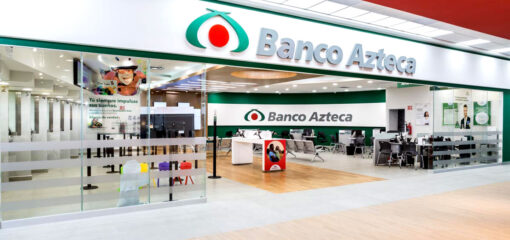
Banco Azteca has built a distinctive position in Mexico by serving working- and middle-class customers who have historically been overlooked by traditional banking. Its model combines an extensive physical network, digital access, responsible credit, insurance, and large-scale financial education.
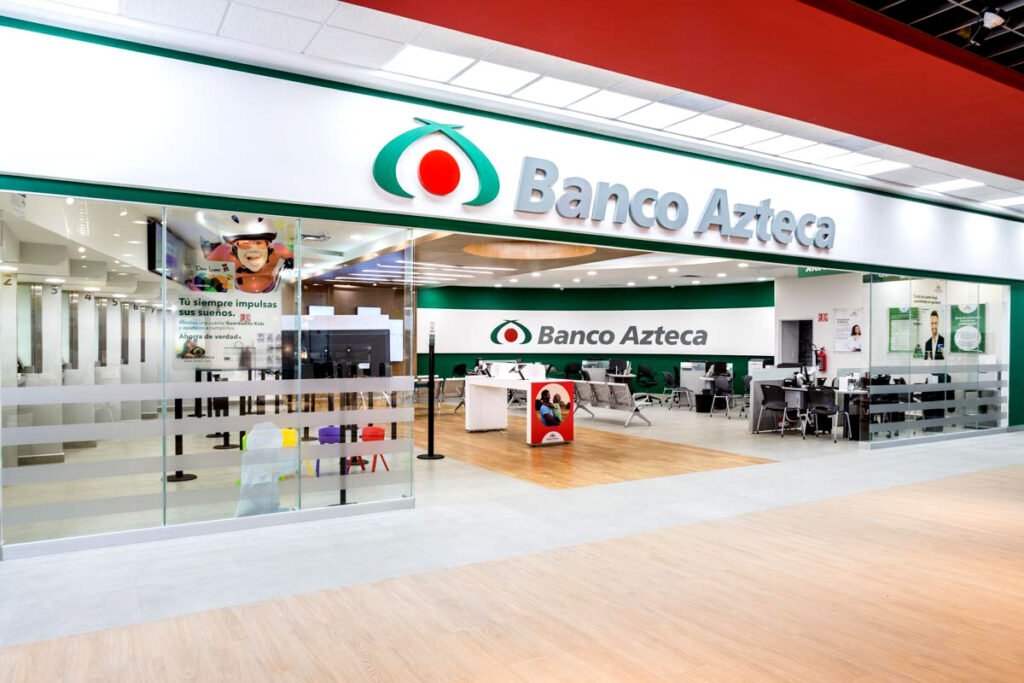
Banco Azteca occupies a distinctive position within Mexico’s banking sector. Its focus has long been on working- and middle-class customers, including many who were historically underserved by traditional financial institutions. Rather than operating solely as a provider of deposits or credit, the bank seeks to act as a broader financial partner, supporting customers through savings, lending, insurance, remittances, and financial education.
This integrated approach is reinforced by an operating model designed around the realities of customers’ working lives. Banco Azteca branches are open from 9am to 9pm, 365 days a year, ensuring that access to financial services is not restricted to conventional banking hours. Its ecosystem includes products such as the Guardadito savings account, consumer credit, Seguros Azteca insurance services, and omnichannel remittance distribution.
The bank’s underlying proposition is that financial inclusion requires more than the availability of products. Customers must also have the knowledge, confidence, and support needed to use those products effectively. In this sense, access and education are treated as complementary elements of the same strategy.
Inclusion Beyond Access
Banco Azteca’s recognition as Champion of Financial Literacy and Inclusion, Mexico 2026 reflects a corporate philosophy that has been developed at significant scale. The bank approaches financial inclusion on two fronts. The first is to bring formal financial services to millions of Mexicans whom traditional banking has struggled to reach. The second is to provide practical knowledge that can help customers make more informed decisions about saving, borrowing, investment, and household protection.
Its free financial education programme, Aprende y Crece, has reached more than 39 million Mexicans through physical activities and digital learning. The programme covers personal and family finance, responsible credit, investment, savings, and fraud prevention. Its aim is to provide customers with tools that support greater independence and help them progress towards long-term financial goals.
Over time, Aprende y Crece has evolved from a conventional education and awareness campaign into a more practical, behaviour-led platform. The bank recognised that theoretical knowledge does not always translate into better financial habits. It has therefore increasingly adopted experiential and gamified learning methods intended to support everyday decision-making.
Digital simulators, interactive applications, and behavioural prompts allow users to practise budgeting, compare borrowing costs, and establish small savings targets in a controlled environment. This moves the programme beyond passive awareness, encouraging customers to apply what they have learned to their own financial circumstances.
Banco Azteca’s philosophy is that inclusion is not simply about opening a door to the financial system. It is also about giving customers the confidence and knowledge required to progress once they have entered it.
Reaching Underserved Communities
Despite the expansion of financial technology and digital banking, significant gaps remain across Mexico. Informal traders, rural agricultural entrepreneurs, and women operating independent microbusinesses are among the groups that continue to face barriers to formal financial services.
Many of these customers lack conventional proof of income or an established credit history. Traditional underwriting systems may therefore struggle to recognise their financial capacity, even when they operate viable businesses or manage regular household cash flows.
Banco Azteca seeks to address this gap through alternative data and behavioural underwriting. Rather than treating the informal economy purely as a source of risk, the bank aims to understand the patterns and realities that shape it. Products can then be structured around the less predictable cash flows of entrepreneurial households and small businesses.
Communication also plays an important role. Financial products are explained through direct, visual, and jargon-free language, helping customers understand the commitments they are making. This is particularly important when serving people who may be entering the formal financial system for the first time.
The scale of Banco Azteca’s physical presence gives it an additional advantage. The bank operates more than 2,000 branches, including locations in 177 municipalities where no other private bank has a footprint. This enables it to serve communities that might otherwise remain dependent on cash or informal financial arrangements.
A Phygital Model Built on Trust
Banco Azteca combines its extensive branch network with mobile and digital banking through what it describes as a phygital model. Its application provides 24-hour transactional convenience, while its branches remain important centres of trust, education, and human guidance.
For more digitally confident customers, the app offers speed and accessibility. For those who are less familiar with formal banking, face-to-face support can remain essential. Branch advisers therefore do more than execute transactions. They also assist customers with digital onboarding and explain how to use mobile tools securely.
This approach ensures that digitalisation does not alienate customers who require additional guidance. Physical branches act as a bridge into digital banking, allowing customers to develop confidence gradually while maintaining access to personal support.
The model reflects the realities of a market still moving from cash towards digital transactions. Technology provides convenience and scale, but physical presence offers the reassurance that supports long-term relationships. Banco Azteca believes that both will remain important as Mexico’s financial system continues to evolve.
Responsible Credit and Sustainable Borrowing
Credit can provide a path towards economic mobility, but it can also create financial distress when products are poorly structured or customers do not fully understand their obligations. Banco Azteca therefore seeks to combine access with responsible underwriting, transparent communication, and customer education.
Its assessment frameworks consider behavioural variables and local economic conditions alongside traditional credit bureau information. This can help the bank evaluate customers whose financial circumstances do not fit conventional lending models.
Repayment structures are also designed to reflect the frequent cash inflows common among mass-market customers. Weekly payments may align more closely with the income patterns of informal traders and entrepreneurial households than traditional monthly schedules.
The bank emphasises clear communication regarding total borrowing costs and repayment obligations. Credit approval is accompanied by upfront visibility of what customers will be expected to pay, while proactive limits are used to reduce the risk of excessive indebtedness.
In this model, risk management is closely linked to financial education. Responsible lending requires sound underwriting, but it also depends on customers understanding how credit works and how repayments fit within their household budgets.
Supporting Entrepreneurs and Family Businesses
Informal merchants and family enterprises represent a significant part of the Mexican economy. Banco Azteca seeks to support their transition towards greater financial formalisation through microcredit, digital payment tools, and transaction services.
Affordable QR-code acceptance and instant digital transfers allow small businesses to receive electronic payments securely. This can reduce reliance on cash while creating an auditable record of commercial activity.
Over time, a documented transaction history can help a business qualify for larger and more structured forms of credit. This creates a potential pathway from informal trading towards increased financial visibility, investment, and scale.
For small entrepreneurs, formalisation can deliver benefits beyond access to finance. It can strengthen resilience, support business planning, and create opportunities to invest in equipment, inventory, or expansion. Banco Azteca’s role is to provide the financial infrastructure through which this progression can take place.
Measuring Real-World Impact
Banco Azteca argues that customer numbers, loans disbursed, and course participation reveal only part of the impact of financial inclusion. The more important question is whether access to banking improves resilience and creates opportunities for social mobility.
A customer may begin by opening an account after operating entirely within the informal economy. That account can provide a safer place to hold funds and help reduce the volatility associated with cash-based income. A modest insurance product may then protect the household against an unexpected shock, while regular savings can support retirement or another long-term objective.
Over time, the same customer may become eligible for credit to acquire a lasting asset, purchase a home, or expand a business. Banco Azteca views this progression as the practical measure of inclusion: a gradual reduction in vulnerability supported by greater financial capability.
Trust is central to this process. In a market where scepticism towards financial institutions remains significant, confidence must be earned through transparency, plain language, and consistent service. Financial education delivered at the point of transaction can further strengthen that relationship by helping customers understand the consequences of their decisions.
Governance as the Foundation of Inclusion
Banco Azteca maintains that a social mission cannot be sustained without strong governance and financial resilience. Its inclusion agenda is therefore supported by regulatory compliance, prudent balance-sheet management, liquidity, provisioning, and cybersecurity.
The bank operates within the regulatory framework established by Mexico’s Comisión Nacional Bancaria y de Valores. Its approach combines innovative credit deployment with conservative provisioning strategies and risk controls intended to preserve stability.
Cybersecurity has also become increasingly important as customers adopt digital channels. Protecting personal information, transactions, and account access is essential to maintaining trust, particularly among customers who may already be cautious about entering the formal financial system.
The principle is straightforward: rapid growth and social impact must rest on a secure, well-capitalised foundation. Without that resilience, financial inclusion cannot be sustained over the long term.
The Next Phase of Financial Inclusion
Mexico’s financial landscape is likely to be reshaped over the coming years by deeper smartphone penetration, continued fintech expansion, and a gradual shift from cash towards digital transactions. Yet persistent gaps in banking access and credit depth remain systemic challenges that no single institution can resolve alone.
Banco Azteca sees considerable potential in collaboration between regulators, traditional banks, fintech companies, and educational institutions. Priorities could include stronger digital identity frameworks, interoperable payment systems, and the integration of financial literacy into the national education curriculum.
The bank regards fintech development as an opportunity to extend its reach and improve the customer experience. Its ambition is to build a world-class digital banking platform while preserving the extensive physical network that anchors trust and accessibility.
This hybrid model is likely to remain central to its strategy. The app can provide speed, convenience, and continuous access, while branches offer personal guidance and reassurance. Together, they allow Banco Azteca to serve customers at different stages of financial confidence and digital adoption.
By combining access, education, responsible credit, and human support, Banco Azteca aims to help more Mexican families move beyond basic participation in the financial system. The longer-term objective is greater resilience, economic opportunity, and the ability to build lasting financial security.
Sponsored content — written to CFI.co editorial standards
You may have an interest in also reading…

EY: Argentina Publishes Decree Implementing Incentive Regime for Large Investments (RIGI)
The Argentine government sets detailed guidelines for the long-awaited RIGI, outlining tax and customs benefits aimed at boosting large-scale investments

Wilhelm Celeda: Charting the Future — with Clients at the Very Centre of Our Universe
Wilhelm Celeda, chief executive of Kathrein Privatbank, on the forces and values galvanising change at the institution. In an era
CABEI’s AA+ Breakthrough: How a Smarter Balance Sheet Is Financing Central America’s Next Growth Chapter
The Central American Bank for Economic Integration (CABEI) has secured an S&P upgrade to AA+, capping a year of balance-sheet
