













































































The Gilded Sanctuary: Inside the Last Bastion of the British Gentleman
From the smoky coffee houses of St James’s to the modern, inclusive hubs of the twenty-first century, the London club has evolved from a symbol of exclusivity into a dynamic institution shaped by tradition, adaptation, and enduring social appeal.
To walk down Pall Mall is to navigate a canyon of Portland stone and quiet prestige. To the casual observer, the heavy mahogany doors and tall curtained windows of St James’s suggest a world frozen in time. This is the heart of London’s Clubland, a geographical and social ecosystem that has, for more than three centuries, served as the private living room of the British establishment. Yet behind the hushed libraries and the scent of polished wood and leather, these institutions have undergone a transformation as profound as the city surrounding them.
The Caffeine-Fuelled Genesis
The story of the gentlemen’s club begins not with silk waistcoats and vintage port, but with the lively, democratic energy of the seventeenth-century coffee house. Following the Restoration in 1660, London experienced a social awakening. Coffee houses such as White’s and Brooks’s were initially far from exclusive; they were vibrant, egalitarian spaces where, for the price of a penny, any man could enter to debate politics, trade, and the news of the day.
By the late seventeenth century, however, the upper classes began to seek greater privacy. The so-called “penny universities” became too crowded and unpredictable for aristocratic tastes. By the mid-eighteenth century, many of these establishments had evolved into private members’ clubs. White’s, founded in 1693, became a bastion of Tory politics, while Brooks’s, established in 1764, aligned itself with the Whigs. This political divide shaped the early identity of Clubland.
The Golden Age of the Nineteenth Century
The nineteenth century marked the true zenith of the club. As the British Empire expanded, so too did the demand for spaces where its administrators, officers, and intellectuals could gather. Following the Napoleonic Wars, returning officers sought the camaraderie of the mess hall within the capital, leading to the emergence of service clubs such as the United Service Club and the Athenaeum.
Founded in 1824, the Athenaeum represented a shift in purpose. It was not merely a social space for soldiers or politicians, but a sanctuary for thinkers, scientists, and writers. Its membership included figures such as Charles Darwin and Charles Dickens, and its library became one of the finest in Europe. Architecturally, this period defined Clubland’s grandeur, with designers such as Decimus Burton and Charles Barry creating buildings that echoed aristocratic residences—palaces in all but name.
The Art of the Blackball
Exclusivity was enforced through a now-legendary system of admission: the ballot. Candidates required nomination and support from existing members. During voting, white balls signified approval, while a single black ball could result in rejection. To be “blackballed” was more than a denial of entry; it was a public social rebuke.
This process cultivated homogeneity. Clubs were designed as refuges—places where members could retreat from public life. Silence became a defining feature. In libraries such as those at the Reform Club or the Travellers Club, the only sounds permitted were the turning of pages or the soft crackle of a fire.
Mid-Century Decline
The twentieth century brought disruption. Two World Wars depleted membership and altered the social fabric of Britain. The post-war era’s push toward equality rendered the concept of exclusive, male-only spaces increasingly outdated. By the 1950s and 1960s, many clubs faced financial strain, burdened by the cost of maintaining vast historic properties.
The 1970s and 1980s proved particularly challenging. The image of the clubman became a caricature—anachronistic and detached. Mergers became a survival strategy, as institutions consolidated resources to remain viable. For many observers, the club appeared destined for quiet extinction.
The Modern Renaissance
The revival of the club did not originate in St James’s but in Soho. In 1995, Nick Jones founded Soho House, redefining the model for a new generation. Instead of privileging pedigree and tradition, Soho House embraced creativity, youth, and cultural capital. Formal dress codes were abandoned in favour of a more relaxed aesthetic aligned with the media and creative industries.
The success of Soho House, along with venues such as the Groucho Club and 5 Hertford Street, demonstrated that the desire for curated private spaces remained strong. What had changed was the nature of belonging. Membership was no longer solely about status; it was about identity.
The Question of Inclusion
One of the most significant shifts has been the admission of women. For centuries, these institutions were exclusively male domains. Women, if admitted at all, were restricted to certain rooms or occasions. Resistance to change was strong; the Carlton Club, for example, delayed granting full membership to Margaret Thatcher until long after her premiership.
By the late twentieth century, change became unavoidable. The Reform Club admitted women in 1998, and many others followed. Even long-standing holdouts have begun to evolve. This shift has been driven not only by social progress but by economic necessity. Expanding membership criteria has ensured both relevance and sustainability.
Life Inside the Modern Club
Today’s clubs balance tradition with modernity. A single space may host a morning of remote work, an afternoon lecture, and an evening social gathering. Dining, once criticised for its conservatism, has evolved significantly, with many clubs now offering high-quality, contemporary cuisine.
Certain traditions endure. The communal “club table” remains a fixture, allowing members to dine among peers and fostering spontaneous interaction. This blend of continuity and adaptation defines the modern experience.
The Architecture of Belonging
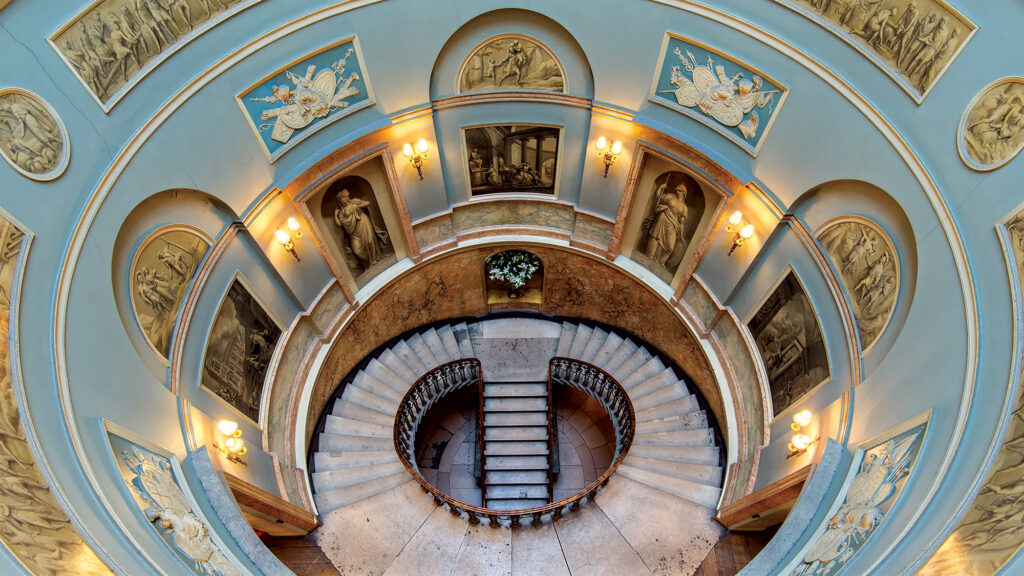
The physical environment remains central to the club’s appeal. In contrast to transient co-working spaces, club interiors offer permanence and character. Grand staircases, oil portraits, and expansive rooms create a sense of continuity that resonates in a rapidly changing world.
Modernisation has not been ignored. Many clubs now feature gyms, spas, and advanced facilities, transforming them into comprehensive lifestyle destinations. Accommodation has also become a key offering, providing members with a private base in central London.
Why the Club Endures
In 2026, the London club is not a relic but a resilient institution. In an age defined by digital connectivity and public exposure, it offers something increasingly rare: privacy. It is a space where conversation remains discreet and relationships are built away from the glare of constant visibility.
The enduring appeal lies in a fundamental human desire—for both community and distinction. Membership offers access to a curated network, whether defined by profession, culture, or shared interests.
The modern private members’ club has survived by embracing change while preserving its core identity. It has shed its rigidity without losing its sense of ceremony. It has opened its doors without abandoning its atmosphere of quiet exclusivity.
As long as there are individuals who value thoughtful conversation, refined surroundings, and a sense of belonging, the doors of Pall Mall and St James’s will continue to open. The club is no longer simply a vestige of the past; it is an evolving feature of London’s social and cultural future. In an age defined by speed and visibility, its greatest luxury may be the quiet preservation of time, discretion, and human connection.
You may have an interest in also reading…

SteadyPay Embedded Microfinance Fintech: Safety Net for the Gig Worker
SteadyPay, the award winning FinTech, is at the forefront of delivering accessible and innovative financial solutions for independent workers in

Embracing ESG Transformation: Turning Ambitions Into Action
Two PwC Luxembourg partners giving support and guidance to companies in their transformation journeys. This year brought with it the
“Mad Men”: A Retrospect – The Men, The Women, and the Martini-Soaked Magic of Madison Avenue
“Mad Men”, the award-winning AMC drama, wasn’t just television; it was a cultural phenomenon. More than a decade after its
