




























































Ithra Director Who Followed His Passion to Ignite Saudi’s Creative Economy
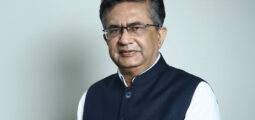
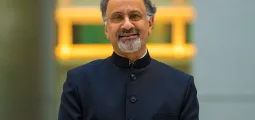
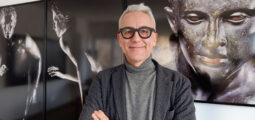
As comfortable in traditional Saudi attire as he is sporting a modern suit, Abdullah Alrashid is a global citizen with a distinct Saudi identity.
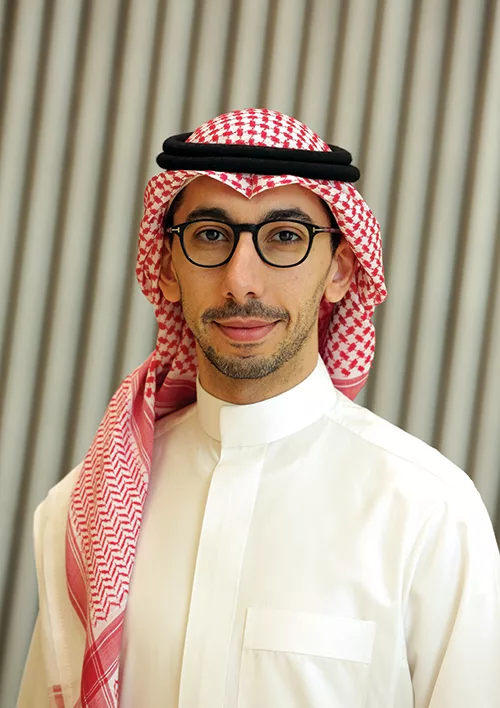
Director: Abdullah Alrashid
Embodying balance and purpose, Abdullah Alrashid strongly identifies with the institution he leads — the King Abdulaziz Centre for World Culture, or Ithra.
Starting out as an electrical engineer, Alrashid felt a strong desire to shift gears and escape the corporate world. He had a passion for social development and the advancement of humanity. He began to explore that dedication as a volunteer and, then in 2012, joined Ithra as a programme curator.
His professional growth within the organisation has been impressive. He rose to senior positions, including head of youth programmes, head of learning, director of programmes, and finally Ithra director — all over a period of 10 years.
“The context changed,” he recalls. “Saudi Arabia was a very different place back then. The aspirations were different, and the world was different. It has taken constant self-reflection, awareness, and adaptability to stay abreast.
“The scale of things has shifted as well. The dangers of this field are that it can — in the name of culture — erase culture. You need to be very locally rooted. You need to have immense pride in your heritage, culture, language, ideals, morals, and values. Because that’s what adds to the world.”
Leading alongside people, Abdullah Alrashid is known to be approachable and inclusive. “At Ithra, we thrive on collaborative conversations. Primarily, leadership is having clarity about where you want to go, then putting the necessary resources, processes and structures in place that enable that to happen.”
What excites him? “Potential. I’m extremely excited by the impact that we have and the potential of what we can achieve. The local community is young, receptive, and not very exposed to arts and culture.
“This provides us with a great opportunity. A lot of what’s told about this part of the world is expressed from an outside perspective. We can, for the first time, hear Saudi stories from Saudi creatives, and understand their point of view in a global context.”
He is motivated by the impact that Ithra programmes have on people. “I’m inspired when I feel like I’m making a positive difference through my work.”
What about his metrics for success? “There are things that can be measured and things that cannot,” he says. “We can measure how we’re moving the needle on the cultural and creative industries in Saudi Arabia through financial, social and visitation metrics.
“On the other hand, it’s impossible to quantify the long-term impact of inspiring a child who visits one of our exhibitions.” He is certain, however, that Ithra serves as an incubator for the Saudi cultural sphere; many of the leaders of the kingdom’s new cultural institutions are Ithra alumni.
And what does the future hold? “It’s been several years of growth for me as a leader,” says Abdullah Alrashid. “Hopefully, the next five years will lead to further growth in our reach and impact.”
You may have an interest in also reading…

Accenture: The Evolving Role of CEOs in Mitigating Cybersecurity Threats
In 2023, a complex, fragmented global geopolitical backdrop prompted a boost in the cybersecurity economy. It was propelled by the

Accenture: Embracing Cloud Based Operating Models
Five Actions for Organisations in the Kingdom of Saudi Arabia The Kingdom of Saudi Arabia (KSA)—the Middle East’s largest economy—has
Conservation Efforts Working in Harmony with Economic Growth
The Environment Agency – Abu Dhabi maintains its focus on conservation, species reintroduction, monitoring and protecting marine and air quality,
