













































































Al-Ghannouchi, Our Hero in Tunisia
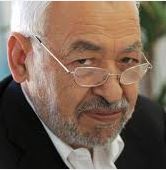
Rashid Al-Ghannouchi
Rashid Al-Ghannouchi, 71 years, was co-founder of the Ennahda Movement which is now Tunisia’s largest political party. A philosophy graduate of Damascus University, he moved to Syria following the expulsion of Tunisians from Egypt where he was studying in 1964. A writer of the first order, Al-Ghannouchi has had enormous influence in religious and political thought throughout the region.
In 1981, Al-Ghannouchi founded Islamic Tendency which was defined by non-violence and called for a more equitable society, political pluralism and democracy. Within months he was arrested, tortured and imprisoned. He would become a political exile in Europe and vocal opponent of the regime at home.
“We used the police to keep order before. Today we’re not resorting to violence. People are free to do what they want, so they are learning how to exercise their freedom in a responsible way.”
A key figure in Tunisia’s post Arab Spring democratic transition, Al-Ghannouchi was instrumental in allaying fears that the void would be filled by radical Islam. He offered a vision of an inclusive political movement but one that was rooted in Islam. After election success he proposed a secular partner as president (Moncef Marzouki – one of our Autumn 2012 Heroes) and took no office for himself.
You may have an interest in also reading…

Lord Waverley: Africa Enters an Age of Optimism
The upcoming UN General Assembly (UNGA) in New York presents an opportunity for world leaders to assess the drivers of
Leo Burnett: The Man Who Gave Brands a Heartbeat
He believed in the power of simple truths, the inherent drama of everyday products, and the ability of advertising to

Strengthening the Custody Chain: Bank One Supports Africa’s Private Capital Evolution
Adecade ago, fewer than one in ten African pension funds reported exposure to private capital. In 2024, Preqin’s Institutional Allocation
