






























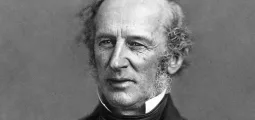
















































Robert Shiller: Making Sense of the Irrationality of Markets
 The question of what motivates a trader to buy or sell shares at any particular moment is probably as old as the stock market itself. Given that trading securities often is a pursuit largely devoid of rational behaviour – though many would have you believe otherwise – the answer remains elusive as ever, and that’s not for a lack of trying to devise ways and methods with which to foretell the conduct of the market and the players therein.
Nobel laureate Robert J Shiller has made a distinguished career analysing the world of finance in general and more particularly the way it responds to events. Professor Shiller takes as his starting point the premise that in a fully rational market, investors would base stock prices on the expected receipts of future dividends.
That, of course, is not the way it happens in real life. By analysing vast amounts of data, Prof Shiller concluded that investors are mostly guided by emotions, hunches and other, often rather primeval, feelings. Now that the crunching of big data is in vogue, these conclusions are yet again put to the test. They still hold true.
In the course of his academic work, Prof Shiller warned in 2006 of an impending housing crisis. He had identified a bubble that just had to burst. With the benefit of hindsight, this may not seem like rocket science but at the time pundits were almost unanimous in their verdict that housing prices would not just be sustained but increase further fuelled by an ever buoyant stock market. We now know what happened and who was right all along.
So, the smart money would want to heed Prof Shiller’s latest warnings about the digital currency Bitcoin that has a growing number of investors enthralled. He calls it “an amazing example of a bubble.” Prof Shiller is at a loss to explain the excitement of his students at Yale University over Bitcoin. “I tell them ’no, it’s not such a great idea at all’”. In 2013, the value of a Bitcoin increased by over 6,200%. “It may be an inspiration because of the computer-powered crypto science Bitcoin relies on, but in fact represents a return to the dark ages for the lack of clarity surrounding the digital currency.”
Still, Bitcoin fits the mould when it comes to behavioural finance and as such constitutes a most interesting phenomenon to watch. The prestigious Foreign Policy journal has named Prof Shiller as one of the top global thinkers. His contributions to creating a deeper understanding of market volatility, asset pricing and the lifespan of bubbles have been nothing less than formidable.
You may have an interest in also reading…

New Wealth Wave: How the Rich Are Getting Richer — and Younger
The number of ultra-wealthy individuals is increasing, and their average age is dropping. Why, and how? From the heads of

The Evolution of Elite: A History of Hedge Funds
From Alfred Winslow Jones’s 1949 experiment to today’s trillion-dollar hedge fund industry, the story of hedge funds is one of

AccountAbility: Building Better Boards
Building a strong and effective board of directors can be a daunting challenge in today’s world. High-profile board failures, the
