






































































Author: marten
Back to homepage
CFI.co

Vistra: Removing the Friction from Cross-border Growth
Vistra helps corporate, fund, and private capital clients manage the regulatory, legal, and operational demands of international expansion. Its model combines local expertise, digital infrastructure, and professional judgement across more than 100 markets, most recently extending into 16 Latin American
Read More
Leading Vistra’s Transformation Through Client Focus, Digital Innovation, and Operational Clarity
Over the past year, Vistra’s leadership team has re-oriented Vistra around a single organising principle: the client comes first. Their three priorities, strengthening client focus through empowered market leaders, combining digital capability with AI to reshape the client experience, and
Read More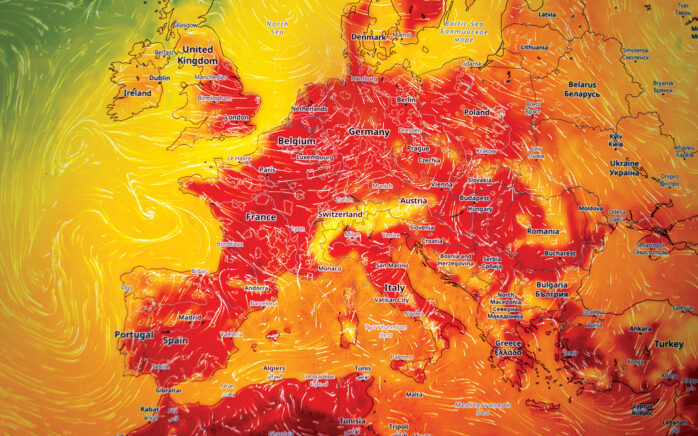
The Summer the Debate Shifted: Heat, Money and the Cost of Waiting
Western Europe has experienced its hottest June on record. A rapid attribution study concluded that comparable temperatures would have been virtually impossible in the climate of fifty years ago. The scientific foundations of human-caused warming are firmly established; the more
Read More
The North Sea Cash Cow: What Happened to Britain’s Oil and Gas Windfall?
For four decades, North Sea oil and gas contributed heavily to Treasury receipts, supported Britain’s external accounts and influenced the politics of successive governments. Those revenues have not disappeared, but they are projected to fall to a fraction of their
Read More
The “Barbarous Relic” That Refuses to Die: Gold at the Crossroads
John Maynard Keynes described the gold standard—not gold itself—as a “barbarous relic”. Yet the metal has returned to the centre of global finance. After the LBMA gold benchmark reached a record $5,501.70 an ounce on 29 January 2026 before retreating
Read More
Oil at the Edge of the World
After fifteen years of delay, the Falkland Islands’ Sea Lion field has entered development. Successful delivery could reshape the territory’s economy while testing offshore execution, environmental safeguards and the political relationship between Britain and Argentina. Stanley is not a capital
Read More
From Ledger to Legacy: The Businesses Behind Some of the World’s Largest Philanthropic Fortunes
The world’s greatest philanthropists were first some of its most formidable businesspeople. From steel and oil to software and e-commerce, the industries, ownership structures and disciplines that created exceptional fortunes have also shaped how those fortunes are given away. The
Read More
Stablecoins Were Supposed to Bypass the Card Schemes. Instead, the Schemes are Positioning Themselves as the Operating System
Stablecoins emerged with a disruptive promise: move money instantly, globally and cheaply without relying on the banks, card schemes and correspondent networks that dominate conventional payments. For Visa and Mastercard, that promise was not an abstract challenge. It went directly
Read More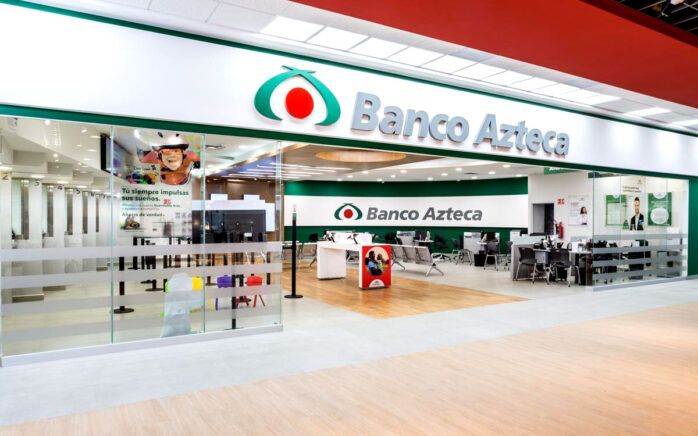
Banco Azteca: Advancing Financial Inclusion Through Access, Education, and Trust
Banco Azteca has built a distinctive position in Mexico by serving working- and middle-class customers who have historically been overlooked by traditional banking. Its model combines an extensive physical network, digital access, responsible credit, insurance, and large-scale financial education. Banco
Read More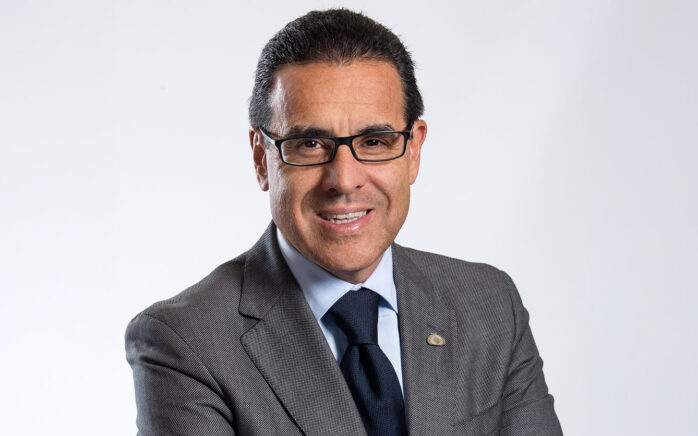
Alejandro Valenzuela: Turning Financial Access into Lasting Capability
Banco Azteca Chairman of the Board Alejandro Valenzuela believes financial inclusion must extend far beyond access to accounts and credit. His leadership agenda combines education, responsible lending, digital innovation, and human support to help more Mexicans build resilience and participate
Read More