







































































[vc_row][vc_column][vc_column_text]
Europe
 The geographical region of Europe includes over 44 countries and 752m people. It had the third largest total GDP of the continents in 2018 at 21.9 trillion USD. Average GDP per capita was 34,485 USD, which is highest among the regions. It also had the highest level of exports in 2018 at 10tr USD. From the 15th century, Spain, Portugal, the Netherlands, French and British all developed colonial empires. The Spanish and Portuguese enjoyed the mineral wealth of the new world. While all these countries used African slaves to develop tobacco or sugarcane industries in the new world. In the late nineteenth century, Germany, Belgium, and Italy also began to develop colonial empires. The Netherlands was the forerunner in terms of finance and trade, with the world’s first stock exchange in 1602. Britain led the way with industrialisation in the 18th century, which made steam rather than slaves and gold the new wealth of nations. Trade was becoming global and Europe led the way. By the late 19th century, Germany had also industrialised. Its growing commercial and naval rivalry with Britain contributed to the start of WW1. WW1 saw the emergence of the USA as a superpower and the break-up of the imperial European powers; European colonial empires were to survive until after WW2. The devastation of WW2 brought a determination for a new common future. The European Coal and Steel Community was formed in 1951. This became the European Economic Community in 1957, the European Union in 1993, and monetary union in 2001. The end of the cold war in 1989, saw NATO expand into Eastern Europe followed by the European Union. Many former soviet- Bloc countries have grown strongly through the 1990s and 2000s, including Poland, Czechia, and Estonia. Yugoslavia disintegrated in 1991, but Slovenia and Croatia are now EU members and the Western Balkans aspire to membership. Throughout the 2000s, the relative importance of the German economy grew. In recent years, Europe has been tested by the Greek debt crisis (2009-10), the crisis in Ukraine (2013), the Syrian refugee crisis (2015-16), and Brexit (2016-2020). But despite these challenges, Europe will continue to grow as it enjoys the fruits of trade and further integration.[/vc_column_text][/vc_column][/vc_row][vc_row][vc_column][vc_column_text]

New World Bank Green Bond Is a Story of Market Growth and Innovation

Ross Jackson: Nero Politics Meet Limits to Growth

Greece vs The Euro Righteous: Waiting for the Other Guy to Blink
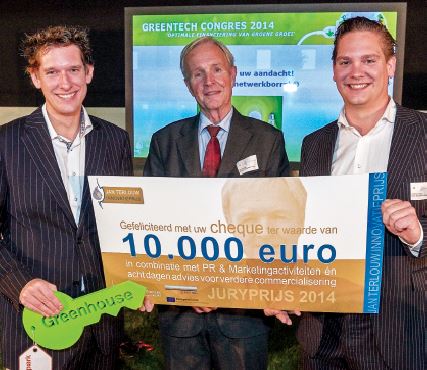
Roderick and Floris Wolters: Freezing the Sun
Another Inconvenient Truth: Vice Pays
Europe & Greece: The Gathering of the Perfect Storm

Principles for Responsible Investment: Investors Must Commit to Engaging Policymakers
Sergey Glazyev: Much More Than Meets the Eye

Greece: Attack of the Merchants of Doom Fails to Impress
Greece: The Primacy of Politics to Provide a Solution
World Bank Group: Remittances – A Vital Channel for Global Cash Flows
Davos: Inequality Causes Concern, Few Expect Improvement


Loading, Please Wait!
This may take a second or two.