







































































Mario Draghi: Bond Buying a Success but Deflation Threat Remains
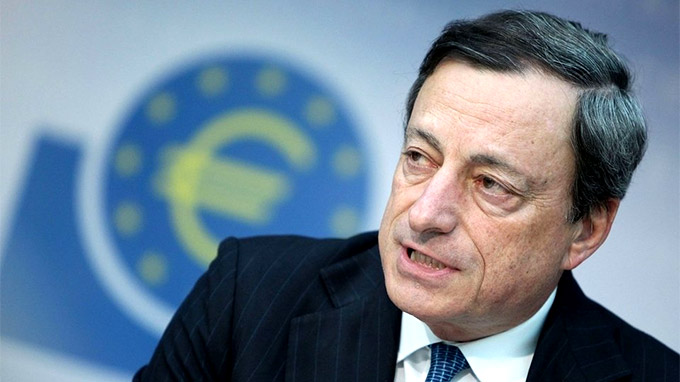
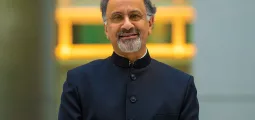
Mario Draghi
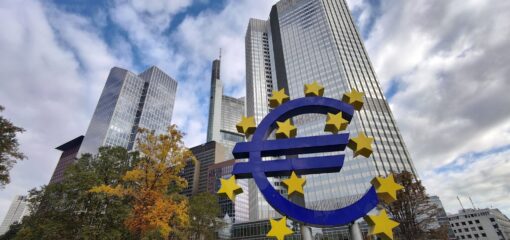
According to European Central Bank (ECB) president, Mario Draghi (speaking at a news conference on Wednesday 15th April) the Euros 1.1 trillion bond buying plan executed by the Bank has been effective.
He commented that the buying of bonds had successfully fed back into the real economy but cautioned that the deflation threat to the Eurozone had not gone away. Mr Draghi went on to say that ‘inflation will remain low or negative during the coming months’. The ECB is maintaining its interest rate at 0.05 per cent – an all-time low which has been in place since September 2014. A female protestor demurred somewhat and delayed the conference briefly after screaming, ‘End ECB dictatorship’. She was removed from the stage by security staff.
Late in March this year, the rating agency Standard and Poor’s claimed that ECB quantitative easing would not bring growth in the Eurozone unless structural issues relating to an ageing population, slowing globalisation, declining productivity gains and low investment were properly addressed. S&P’s European Sovereign analyst Moritz Kraemer also pointed out that although there was more optimism in the region with lower borrowing costs and a reduction in the value of the euro following the ECB stimulus, the approach taken did involve significant risks: ‘Monetary policies such as QE can help stabilise economies in the short term, but if they lead to policy complacency they could be counterproductive in the long term.’
You may have an interest in also reading…

Precision Medicine and Gender Disparities: Research Promotes Major Advances in Brain Health
In the ever-evolving world of healthcare, precision medicine has taken centre stage — and for good reason… Precision medicine can
Political Upset in The Netherlands: Voters Turn to Firebrand Leader
In an election upset without precedent, Dutch voters on Wednesday chastised the ruling coalition of longtime prime minister Mark Rutte

Net Zero: OECD Report Sets the Record Straight on Economic Benefits
For years, a persistent argument has loomed over the push for net zero: that transitioning to a low-carbon economy costs
