









































































To Converge or Not To Converge – the Greek Tragedy Continues

Athens, Greece
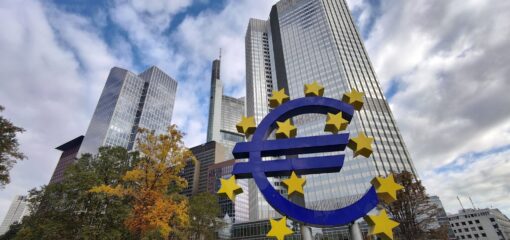
It seems a long time ago, but when the Euro was introduced, one of the cornerstones for membership and for the long term success of the Euro was convergence of economies within the zone. Convergence does not seem to be on politicians’ lips at the moment but what we are seeing happening across the Eurozone is as much a result of divergent economies as anything else.
Some countries under the cloak of the Euro borrowed way beyond their means, creating a false convergence of kinds in government coffers. The bond markets lent and the countries spent. Now the Eurozone finds itself in a difficult position, devaluation of individual currencies has been replaced by austerity and bailouts at the same time as the cost of the historic borrowing rises, dragging more and more money out of an already stressed economy.
So where does it end? We are in largely uncharted water at the moment – the Greeks have voted for more of the same “medicine” and to try and stay in the Euro. But this is an untested treatment and if one was to use a pharmaceutical analogy there is no certainty the treatment would get past the drug regulators as safe for human trials.
The situation is serious and the infection is spreading, if it was a medical decision to save a life maybe if would be safer to opt for a treatment that had been shown to work. But the Greeks seem to have chosen the new treatment – let’s hope they are right.
You may have an interest in also reading…

Fortress Europe? Navigating the Perils of a Global Trade War
As global trade tensions escalate, Europe finds itself in a precarious position. Caught between competing superpowers and reliant on intricate
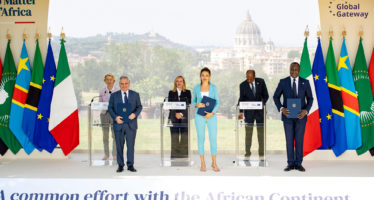
Africa Finance Corporation: Powering Africa’s Future Through Pragmatic Investment and Infrastructure
The Africa Finance Corporation is redefining development on the continent by championing bankable, climate-resilient, and inclusive infrastructure projects. With US$17bn
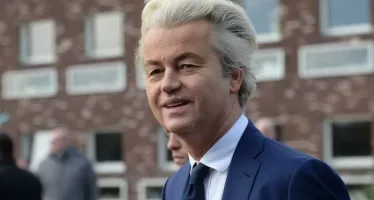
Political Upset in The Netherlands: Voters Turn to Firebrand Leader
In an election upset without precedent, Dutch voters on Wednesday chastised the ruling coalition of longtime prime minister Mark Rutte
