







































































Dr Ramphele: Opposing the ANC
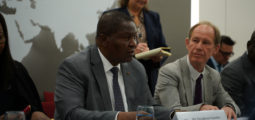
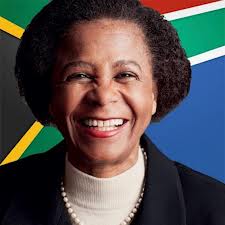 This year, Mamplela Ramphele, aged 65, formed Agang (Build) a political party to oppose the African National Congress (ANC). She is an accomplished academic, medical doctor, anti-apartheid activist, former World Bank managing director and this issue’s Hero from South Africa.
Her experience of the evils of apartheid came early on. As an eight year old she witnessed a struggle between villagers who wanted to bury one of their dead in church grounds but were prohibited from doing so by a racist minister backed by a racist local authority. Her sister was expelled from school for demonstrating against South Africa becoming a republic and Ramphele was mindful that she studied at the only medical school to allow the enrolment of black students without prior approval from the government. The scene was set.
“All signs in our society point to the need for us to take stock and ask ourselves fundamental questions about how we have been able to discharge our responsibilities to honour the ideals we enshrined in our founding constitution. We stand at a crossroads yet again as a society struggling to emerge from the growing pains of being a young democracy”.
At university, Ramphele founded the Black Consciousness Movement alongside Steve Biko and set to work on community development programmes. She became increasingly drawn into activism with Biko (who was murdered by the apartheid enforcers in 1977). She then had the honour of being banished by the despicable regime and continued to work with the rural poor, improving healthcare and generally empowering women – all of course, under the watchful eyes of the security police. Other honours bestowed on her by apartheid South Africa included a charge under the Suppression of Communism Act (for possessing banned literature).
Archbishop Emeritus Desmond Tutu, also an opponent of the ANC, has praised Ramphele’s decision to form the new party and described her as a ‘brave and principled leader who would be contesting next year’s general election with a clean slate’. He, like many other South Africans, feels that in the midst of such frequent and compelling stories of corruption and mishandling of funds by those in charge of the country, 2014 may be the year for change.
You may have an interest in also reading…
Orchestrating the Transition: enso Group Builds the Enabling Structures for Reliable Clean Power
From Austria’s hydropower tradition to African grid-scale platforms, enso’s “system orchestrator” model fuses technology, finance and governance into investment-ready energy

Impact Investing in Africa: The Vital Catalyst for Sustainable Development
In a world beset by social and environmental challenges, one area is emerging as a vehicle to bring positive change
Powering Africa’s Future: An Interview with the Founder & CEO of Ariya Capital Group
As Africa’s energy sector undergoes rapid transformation, Ariya Capital Group stands at the forefront, driving investment and innovation in clean
